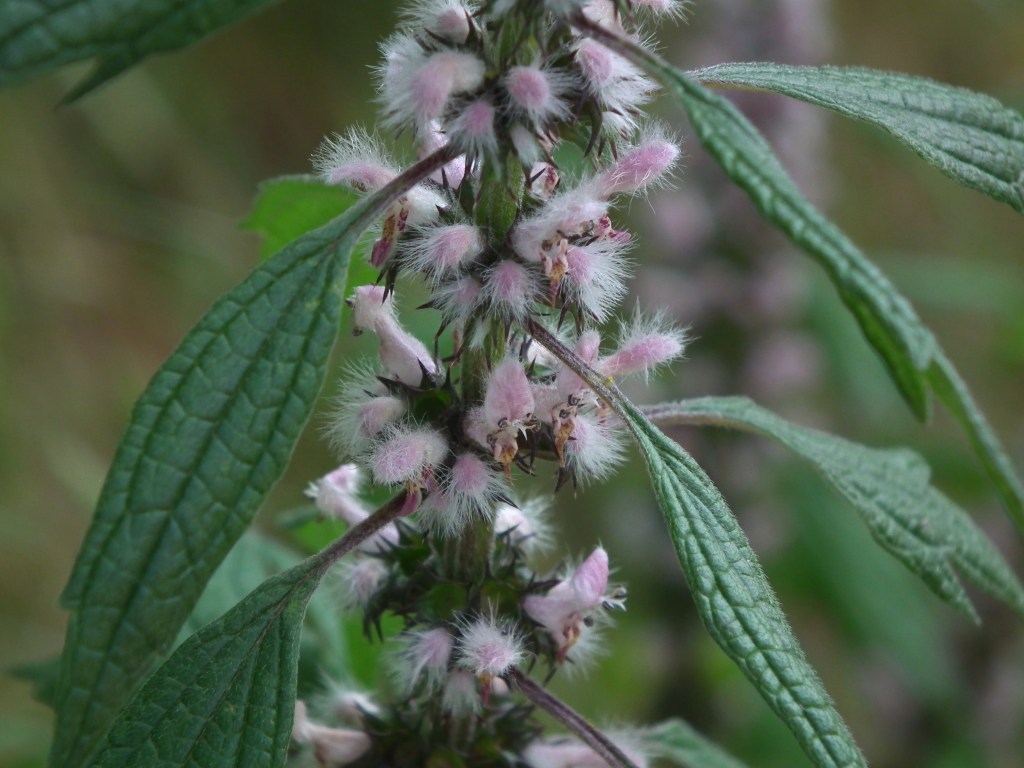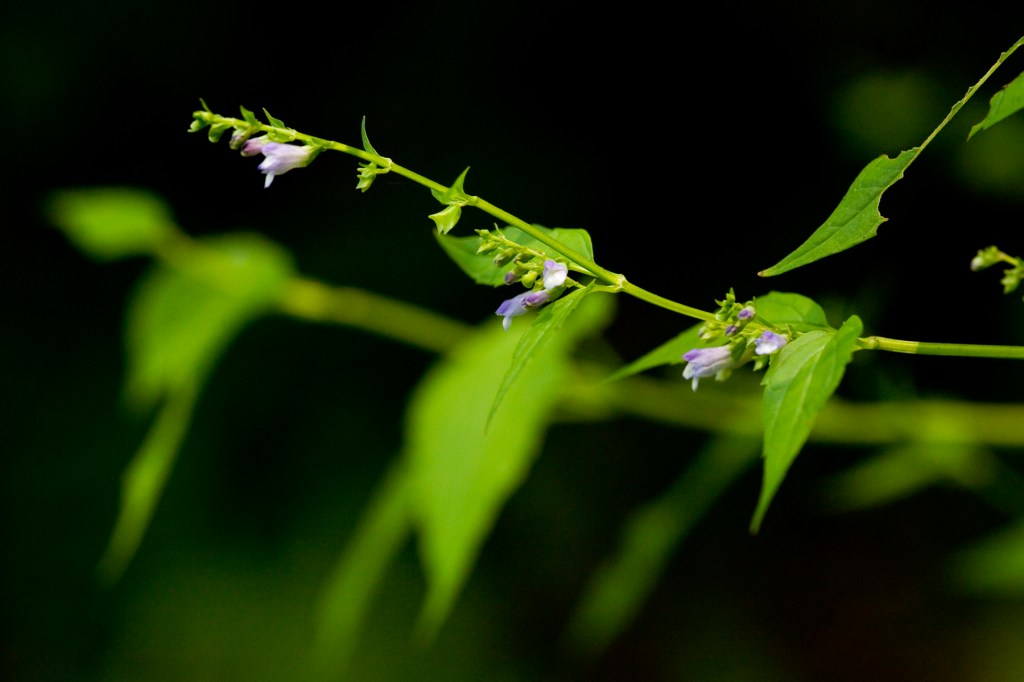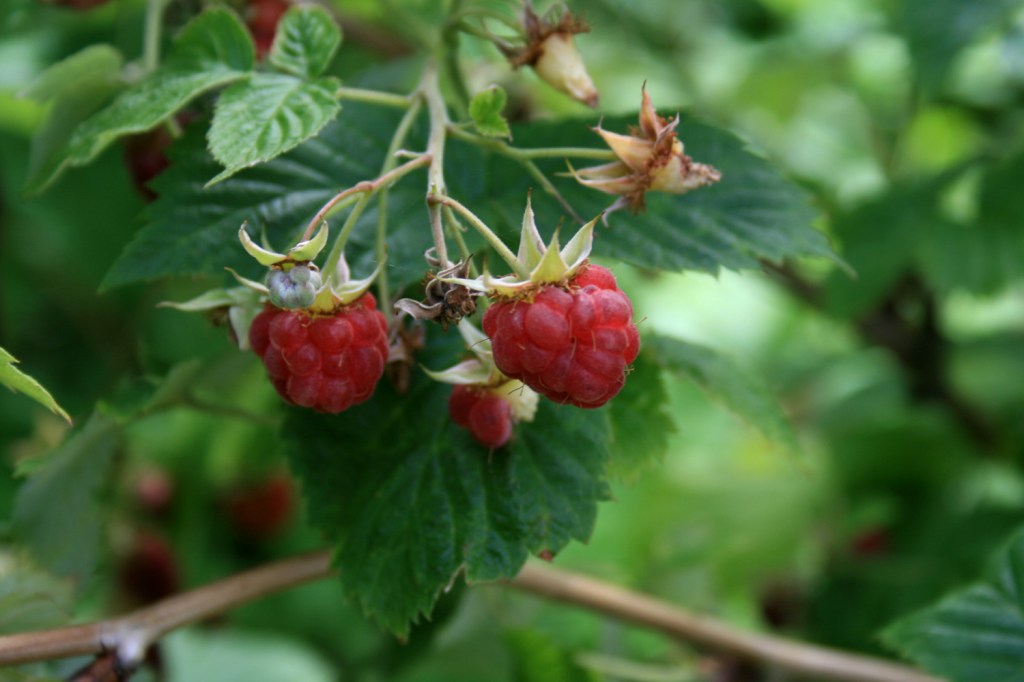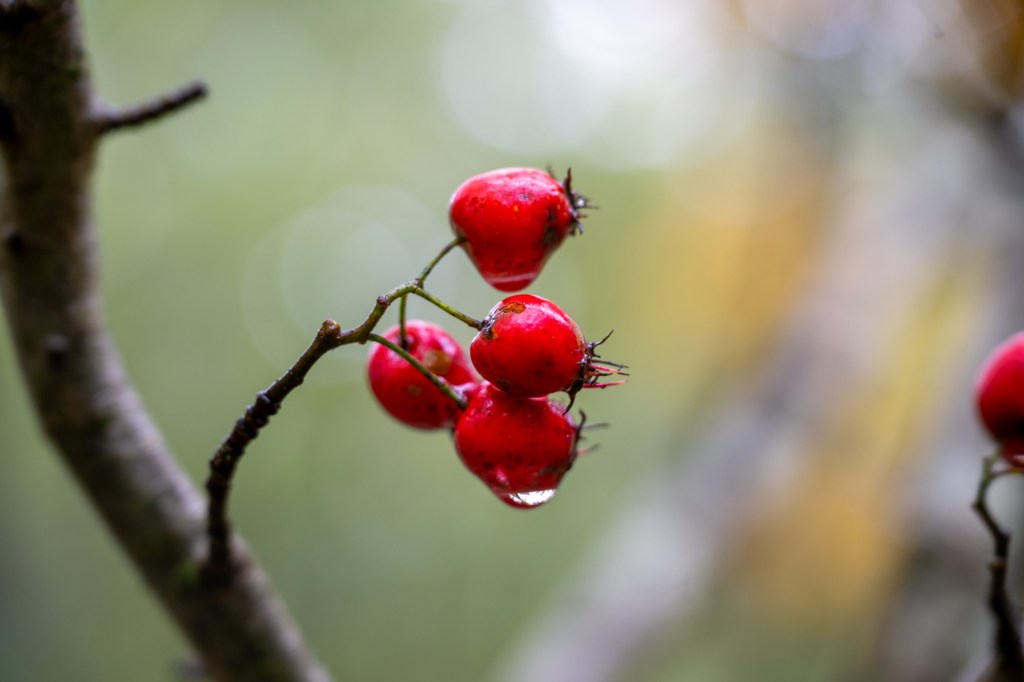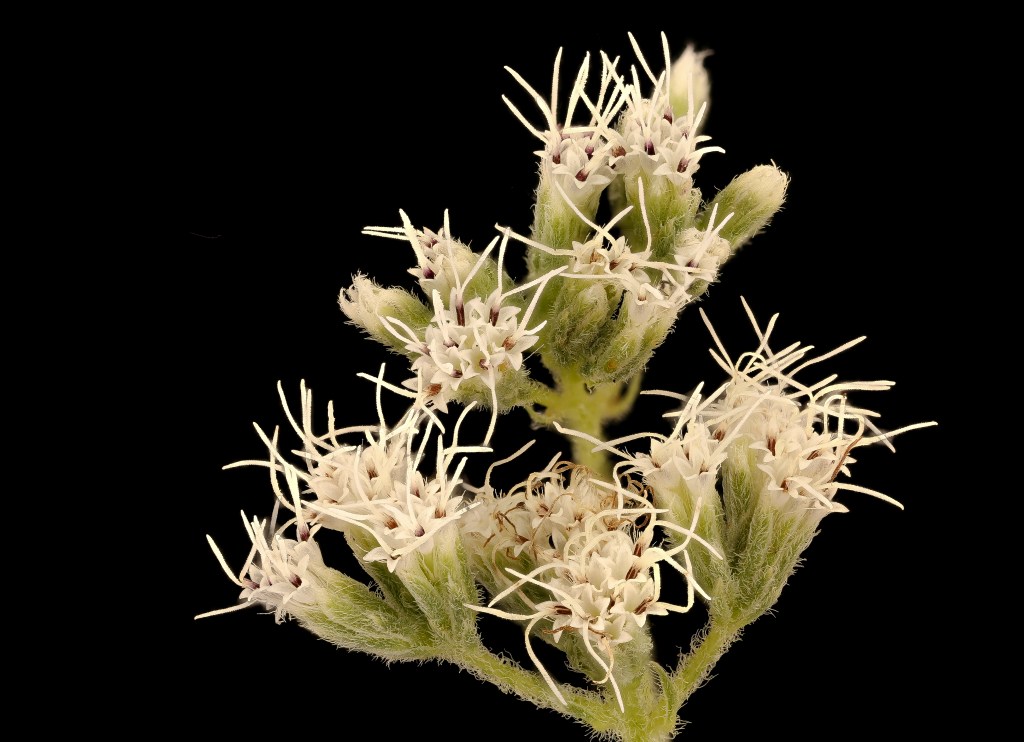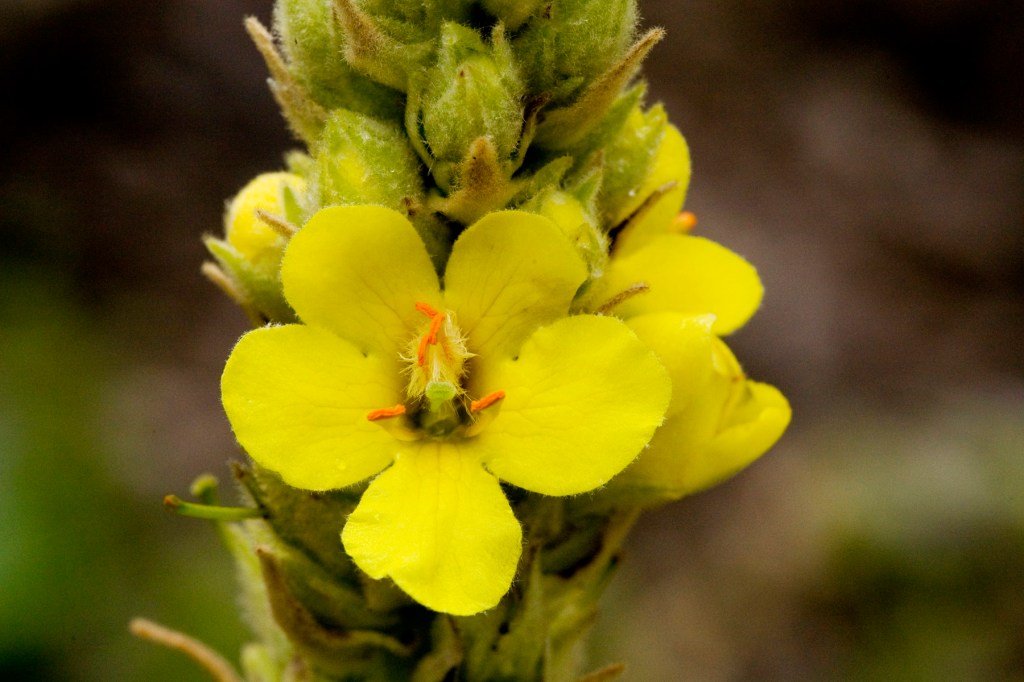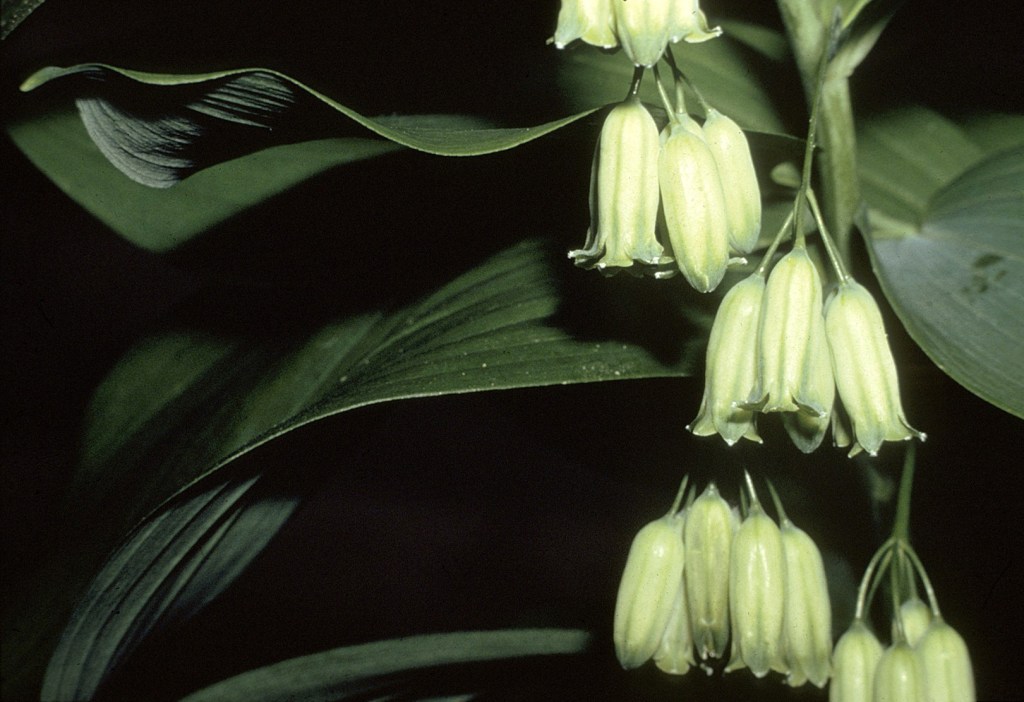
- P. multiflorum (one text also referred to it as Convallaria multiflora, 1/2/3)
- P. giganteum (3)
Eclectic Use
The Eclectic physicians used Solomon’s Seal most commonly for the tonic, mildly astringent, and mucilaginous actions (2, 3.)
Membrane support
Cook wrote extensively on Solomon’s Seal’s effect on mucous membranes, saying that it soothes while also being tonifying to them. It’s demulcent so it can help bring moisture to the tissue, but they also said it diminished excessive mucus discharge. Cook also said that it’s good for both sub-acute and chronic membrane irritation in cases of a body system that isn’t overly depressed, but a specific area is experiencing “general feebleness and irritability (1.)” On the same note, King mentions that Solomon’s Seal alone is not stimulating enough for very depressed indications, but can be modified if formulated with Goldenseal (Hydratsis canadensis) and Viburnum spp (2.) Cook also believed that the action that soothed and strengthened membranes also benefitted “local and general nervous tissues” (1.)
Across multiple Eclectic writers, it seems there is a general consensus that the herb is useful on mucous membranes of the AFAB reproductive system. King and Cook both recommend it for leucorrhea and “female debility” (2,) with Cook calling it “one of the most desirable agents” for the aforementioned uses. Cook also pointed out that the vaginal and uterine membranes are “particularly influenced” by Solomon’s Seal. He highly revered its application on uterine organs, and recommended combining with specific tonics would allow the herb to have more of a “distinct influence” on this area (unfortunately, he did not mention which herbs) (1.) Some other AFAB indications were menorrhagia (2) and “simple prolaspus”(1.)
Digestive system
It seems that the Eclectics liked to use this herb for inflammation in bowels and/or intestines, both irritable or chronic. For this purpose, Cook recommended combining it with Prunus spp, Liriodendron spp, and Lycopus spp. to make a beneficial remedy for this use (1.) King says large doses are said to be cathartic, resulting in emesis or nausea (2,) conversely, Cook says it will gently move the bowels (1.) Cook does not mention what mode of preparation he prefers for this, but King mentions root decoction for this use (2.)
Skin
Each Eclectic author mentions Solomon’s Seal skin support. Sayre says it has vulnerary actions on the skin (3), and both King and Cook mention it being supportive in cases of inflamed skin (1, 2.) Indicated for stinging skin, light burns (1,) “poison-vine” skin rash, erysipelas, and/or skin problems “of an erysipelatous nature” (2.) Cook instructs the fresh root to be bruised and boiled in milk to then be applied to the skin (1,) while King says the decoction “will afford direct relief” when applied topically (2.)
Misc
While the prior uses make up the bulk of applications these writers spoke on, there are also a few other uses I found from the Eclectic texts. Gout and rheumatism are listed in Sayre’s text as conditions Solomon’s Seal have been recommended for (3.) The fresh root, when chewed/swallowed or decoction, ingested frequently, could be supportive to hemorrhoids (and may even be applied directly with similar results, according to King (2.) Cook stated that it was beneficial to the prostate gland, kidneys, and bladder via getting rid of “lingering congestions and catarrhal discharges.” He also said that, although there wasn’t much reference to it in his time, it was actually a very helpful herb for coughs in convalescence, as well as chronic coughs where respiratory passages are sensitive and expectoration is “rather free” (1.)
Eclectic Comparison:
Cook and King both said that True Solomon’s Seal (Polygonatum spp.) probably shares the same medicinal properties as False Solomon’s seal (1, 2.) Interestingly, King actually lists both scientific names of True and False Solomon’s Seal in his plant monograph (2.) Both King and Cook touched on the herb somewhat lacking in general opinion, yet being an herb with a lot of benefits (1, 2.)
Just from the 3 Eclectic sources I drew from, I have to say that William Cook wrote the most on Solomon’s Seal of the three authors; his writings had a little more to say about the herb’s uses, as well as how to process and prepare the herb compared to King and Sayre. I also notice similarities in the information of King and Cook’s books, and seeing as their publish dates are about a decade apart, I wonder if Cook either learned from King, or at least used King’s writings to inform his own.
Modern Use:
The most common modern use seems to be for joint health. Katja Swift, of Commonwealth Holistic Herbalism, says that it is one of the “best plants I know for joint health,” saying that it is not only helpful in joint healing, but also injury prevention (4.) Matthew Wood says it supports connective tissue, and indicates it for “stretched, stiff, tight, or loose, weak tendons/ligaments.” He also recommends it for muscular and skeletal tension, as well as for “repetitive use injury” (ie calcifications, arthritis from old injuries, and carpal tunnel syndrome) (5.)
Swift mentions some mental/emotional applications of this herb, and likens it to the way Solomon’s Seal works on joint health. She says it’s good for bringing in “emotional flexibility.” It’s indicated in times of mental/emotional inflexibility or rigidity. If feeling emotionally restrictive or ornery, Swift says it is supportive in times where it is “difficult to adapt gracefully to changing situations (4.)
Matthew Wood listed a large array of other uses, spanning multiple body systems, including respiratory, cardiovascular, digestive, integumentary, and genitourinary systems. It’s recommended for pulmonary problems and respiratory hemorrhages. It can relax the heart, “increasing spaces between beats.” Useful for intestinal tension and/or upset, as well as hemorrhoids. Wood mentions it being supportive for poison ivy rashes, and bruising. For AFAB reproductive system, he suggests it for profuse menstrual flow, ovarian pain, vaginal irritation, and strengthening the estrogen side of the cycle; in the AMAB system, he recommends it for premature ejaculation.
On the preparation of it, Swift mentions use of tinctures, linaments, and salves (4,) while Wood touches on a few more things. He says the rhizomes are to be harvested in fall, and to either extract fresh roots in alcohol, or dry them to be used in decoction. The alcohol needs to be high proof as the sticky roots turn extraction into more of a syrup if macerated in low proof alcohols. He then also says it can be extracted in rubbing alcohol for topical use, and says it is a Native American formula to add Apios spp. to it for extra effect (5.)
Parts Used: The Eclectic Physicians I sourced for this paper only ever reference using the rhizome (1, 2, 3.)
Eclectic Preparation
King wrote that the Solomon’s Seal root decoction was to be taken internally, but the fresh root could also be chewed or applied directly to desired area (2.) Cook expanded on preparation by giving very specific instructions. He said that the roots extract best in water and diluted alcohol, that they are very impaired by heat, and deteriorate when kept long. “They retain a peculiar moist, leathery character” which makes them hard to powder, but they can be powdered if partially oven dried and then pounded into a “coarse mass.” However, it seems that Cook doesn’t care for the powder form, and prefers fresh, coarsely sliced roots to be “well bruised” in a mortar.
He goes on to list a recipe; 3oz of bruised roots, 20fl oz of boiled water combined in a covered vessel on gentle heat, let sit for an hour. Add 1 dram each of grated orange peel and caulophyllum; strain in 10 minutes and add 2fl oz of sherry wine. Cook says this is an “elegant tonic” for monthly leucorrhea (especially if there is somewhat painful menstruation.) The dose is 2fl oz, three to four times a day (5.)
Other dosing guidelines are 1-4fl oz of root decoction, 3 times a day (2,) along with 1-2 drams (4-8g of fluid Solomon’s Seal extract (3.)
Modern Western/Eclectics/Tribal Comparison
There is a lot of crossover between the uses of all three traditions. Each one has their use for the following systems: integumentary, digestive, musculoskeletal, respiratory, cardiovascular, and genitourinary systems. They also all make use of the root.
Compared to the Eclectics and Modern Western traditions, Native American people have a wider use of the whole plant – not just part-wise but also the ways the parts are utilized (ie root powdered for flour, carried as a charm, smudge, root heated on hot coals, decoction splashed on hot coals, decoction as eye wash; leaves tinctured.) They also use the root, as well as young shoots, leaves, and stems for food, which the Eclectics don’t mention anywhere and is not a common practice in Modern herbalism.
In both Modern and Eclectic practices, it seems that it’s an herb that isn’t widely talked about, yet somehow the people who do know about it sing its praises as a very beneficial herb. The Native American relationship to it seems to have more of a spiritual understanding of this plant compared to the other two, grouping it into the category of Wolf Medicine.
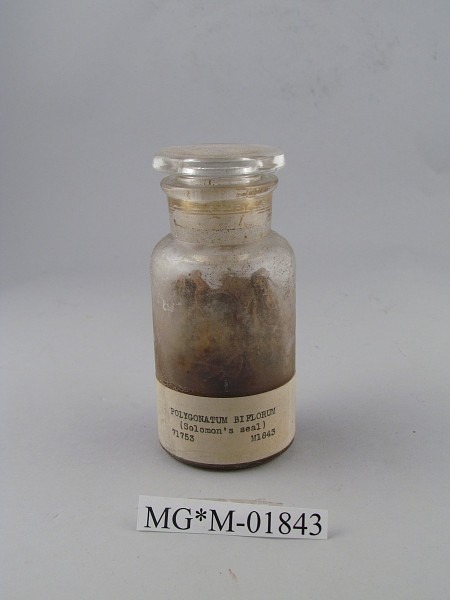
Image of a 101-year-old, dried Solomon’s Seal root specimen at the National Museum of American History (Washington D.C.) that was processed by the Lloyd Brothers in Cincinnati, OH.
Sources
1. Cook, William, M. D. The Physio-Medical Dispensatory. 1869.
2. King, John. The American Eclectic Dispensatory. 1854.
3. Sayre, L. E. A Manual of Organic Materia Medica and Pharmacognosy: An Introduction to the Study of Vegetable and Animal Drugs with Syllabus of Inorganic Remedial Agents. 1917.
4. Swift, Katja. “Solomon’s Seal: Herb of the Week; CommonWealth Holistic Herbalism.” CommonWealth Holistic Herbalism, 27 Oct. 2021, commonwealthherbs.com/solomons-seal-herb-of-the-week.
5. Wood, Matthew, MS. “Solomon’s Seal – Matthew Wood’s Indispensable Muscular and Skeletal Remedy.” Matthew Wood, MS, http://www.matthewwoodinstituteofherbalism.com/blog/indispensable-muscular-skeletal-remedies-solomons-seal.